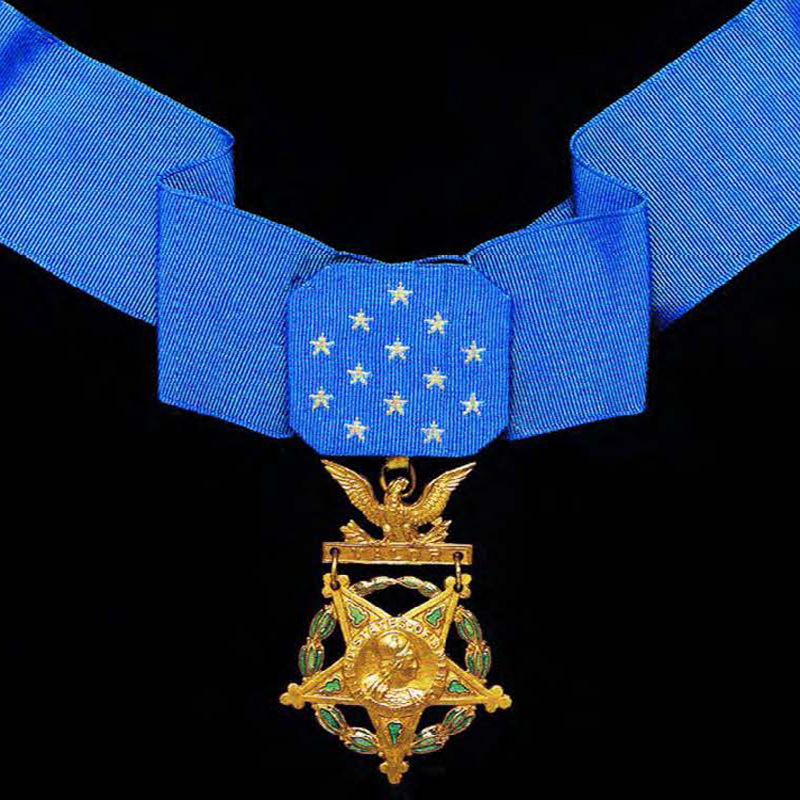
In an unprecedented display of military recognition, President Donald J. Trump presented and announced five Medal of Honor recipients within a single week in late February 2026, marking one of the most significant periods of valor recognition in modern American history. For the first time in the nation's history, Medals of Honor were awarded during a State of the Union address, transforming the annual political spectacle into a solemn military ceremony that honored extraordinary courage spanning seven decades of American military operations.
The recognition of these five warriors---Chief Warrant Officer 5 Eric Slover, Captain Royce Williams, Master Sergeant Roderick "Roddie" Edmonds, Staff Sergeant Michael Ollis, and Command Sergeant Major Terry Richardson---represents not only individual acts of valor but also reflects a growing movement within the Department of Defense to revisit historical military awards and ensure that acts of heroism are properly recognized, even decades after the fact. These awards highlight an important evolution in how the nation honors its heroes, particularly as legislative changes have removed arbitrary time limitations that previously prevented deserving service members from receiving the Medal of Honor.
The two awards presented during the February 24, 2026 State of the Union address---to Slover for his actions in Venezuela just weeks earlier and to Williams for aerial combat during the Korean War 74 years prior---created a powerful juxtaposition between contemporary special operations and Cold War-era classified missions. The announcement of three additional Army recipients, whose ceremony is scheduled for March 2, 2026, further underscores the commitment to ensuring valor never goes unrecognized, regardless of when it occurred.
Breaking with Tradition
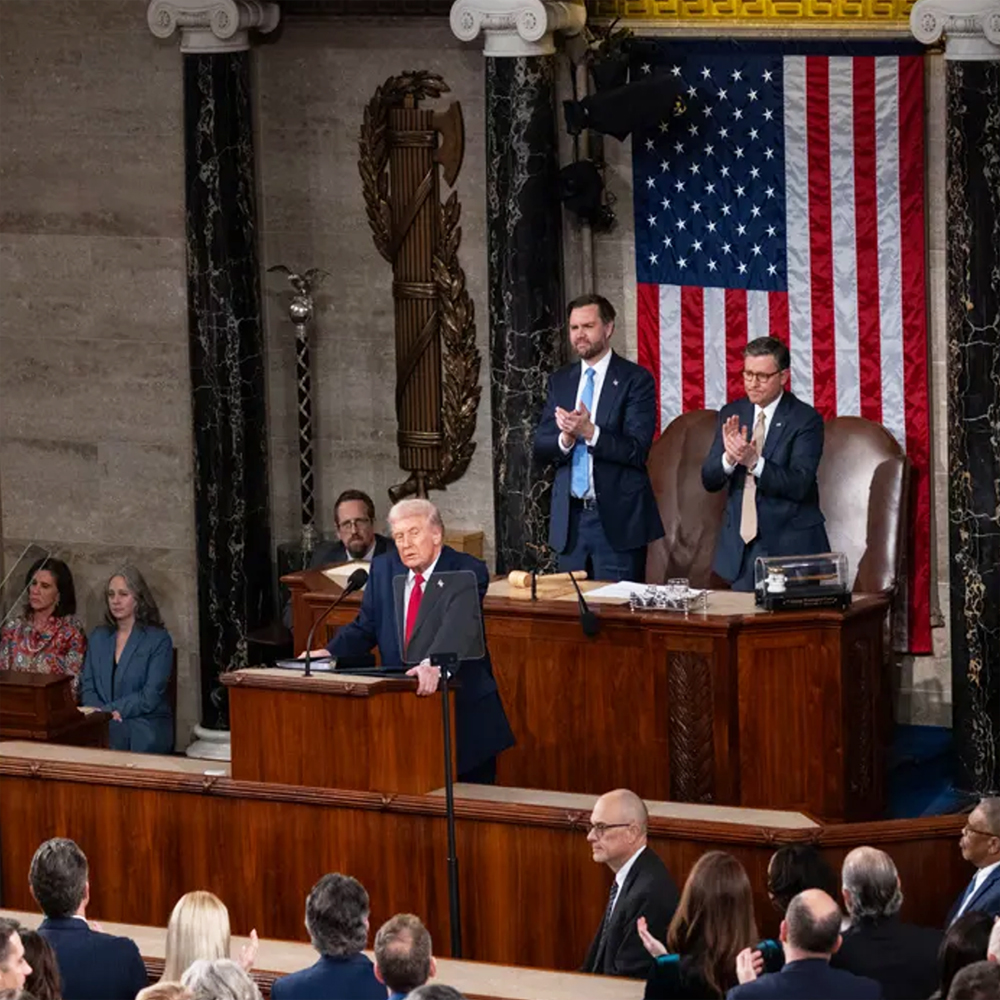
The House chamber, typically an arena of partisan political debate, was transformed into hallowed ground as uniformed officers, wounded warriors, and a centenarian Navy fighter pilot took center stage. The atmosphere shifted palpably as the president moved from policy discussions to military recognition, with members of both parties rising in extended standing ovations that transcended political divisions.
"Tonight we honor American heroes whose extraordinary courage reminds us what makes this nation truly exceptional," President Trump stated before beginning the presentations. "These warriors represent the very best of America---men who faced impossible odds, who suffered grievous wounds, who refused to yield in the face of overwhelming enemy action, and who through their courage, saved the lives of their fellow Americans".
The Ceremony's Significance
The inclusion of Medal of Honor presentations during the State of the Union represents a strategic decision to use the most-watched political event of the year---viewed by tens of millions of Americans---as a platform to educate the public about military valor and sacrifice. For many Americans, particularly younger generations with limited connection to military service, these presentations provided a rare glimpse into the extraordinary heroism that occurs far from civilian view.
The ceremony also served to highlight the diversity of military heroism across time periods, service branches, and types of combat. From Williams' classified Cold War dogfight that remained secret for five decades to Slover's recent special operations mission conducted in the age of social media and instant communication, the presentations demonstrated that courage and sacrifice remain constants even as warfare evolves.
Military historians and veterans' organizations praised the decision to present the medals during the State of the Union. "This ensures that the nation as a whole bears witness to these extraordinary acts of valor," stated Britt Slabinski, President of the Congressional Medal of Honor Society and himself a Medal of Honor recipient. "It reminds Americans of the price of freedom and the caliber of warriors who defend it".
For many watching in the chamber and across the country, the moment offered a rare pause in the nation’s often-divisive political discourse. Lawmakers who moments earlier had sparred over policy stood shoulder to shoulder in applause, acknowledging a shared reverence for service and sacrifice. In that brief interlude, the stories of valor eclipsed partisan lines, reinforcing a sense of national unity and reminding viewers that, beyond the debates of governance, the courage of those who serve remains one of the country’s most enduring common bonds. It was a powerful reminder that some acts of bravery rise above politics, commanding the respect and gratitude of an entire nation.
Background and Military Career
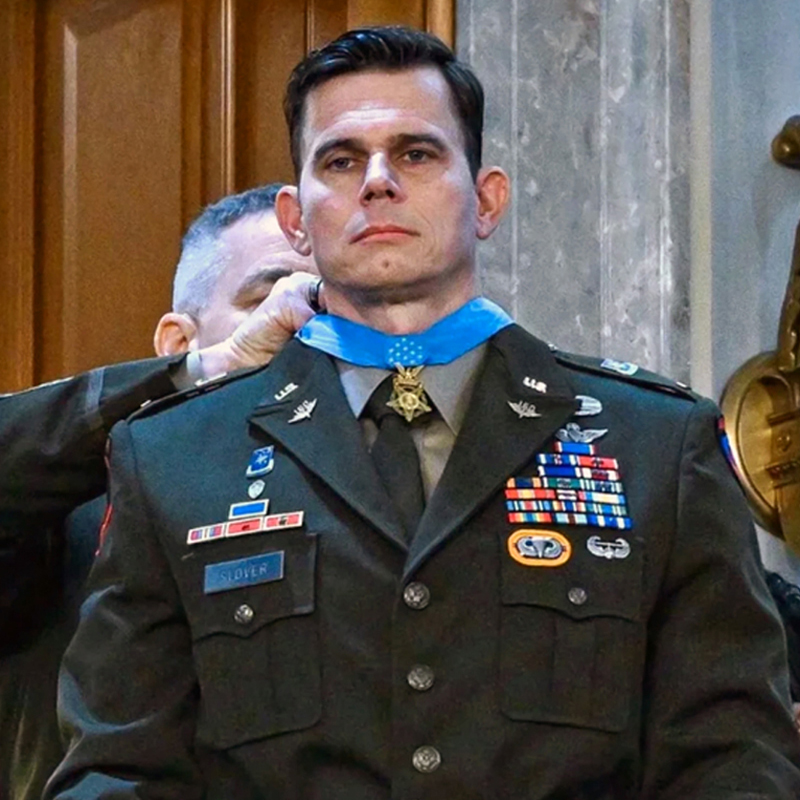
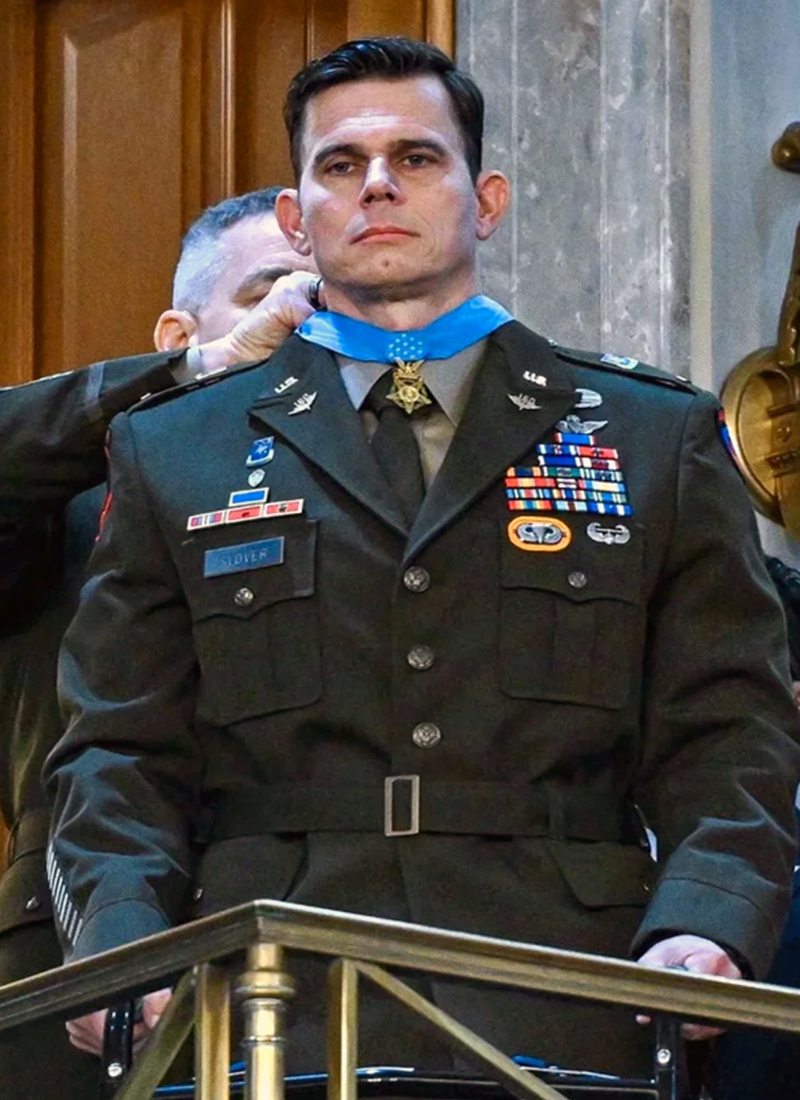
Chief Warrant Officer 5 Eric Slover represents the elite tier of U.S. Army aviation, serving with the legendary 160th Special Operations Aviation Regiment (Airborne), known throughout the military community as the "Night Stalkers." This unit, based at Fort Campbell, Kentucky, maintains the Army's most demanding aviation standards and conducts the most sensitive special operations missions globally.
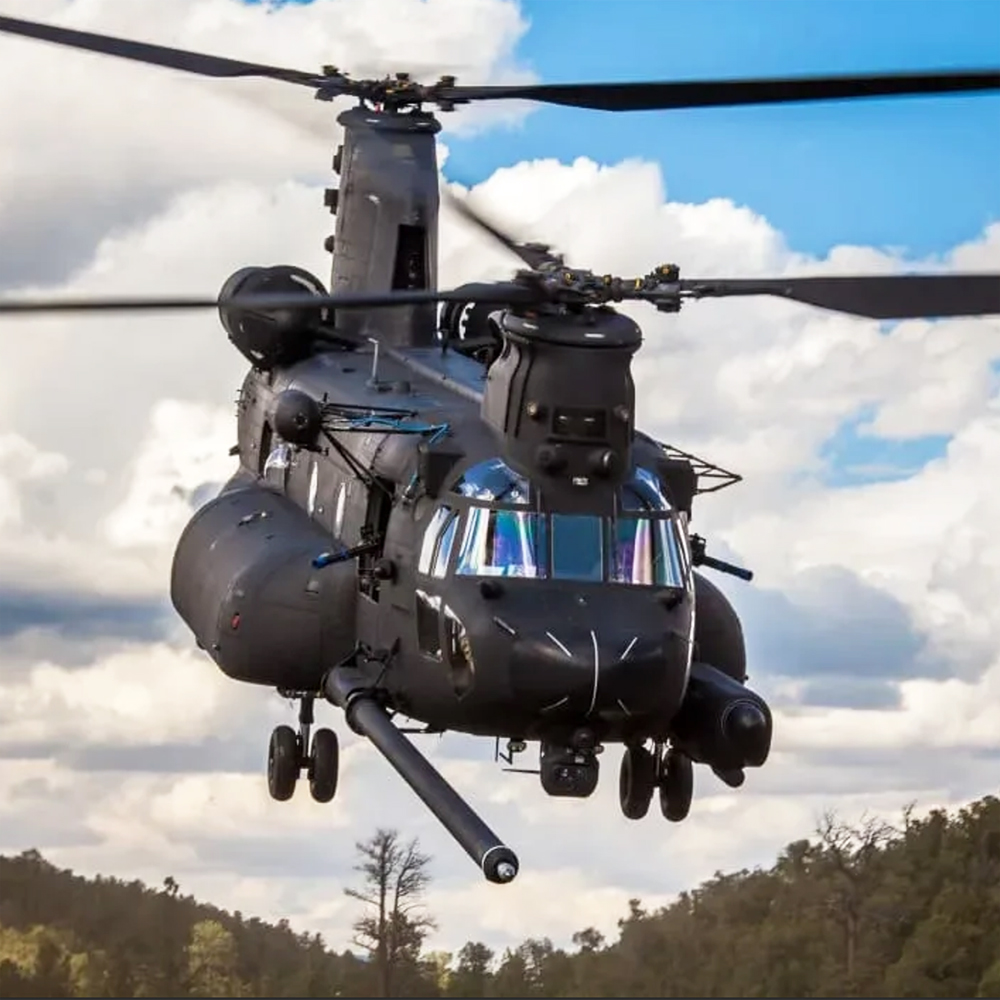
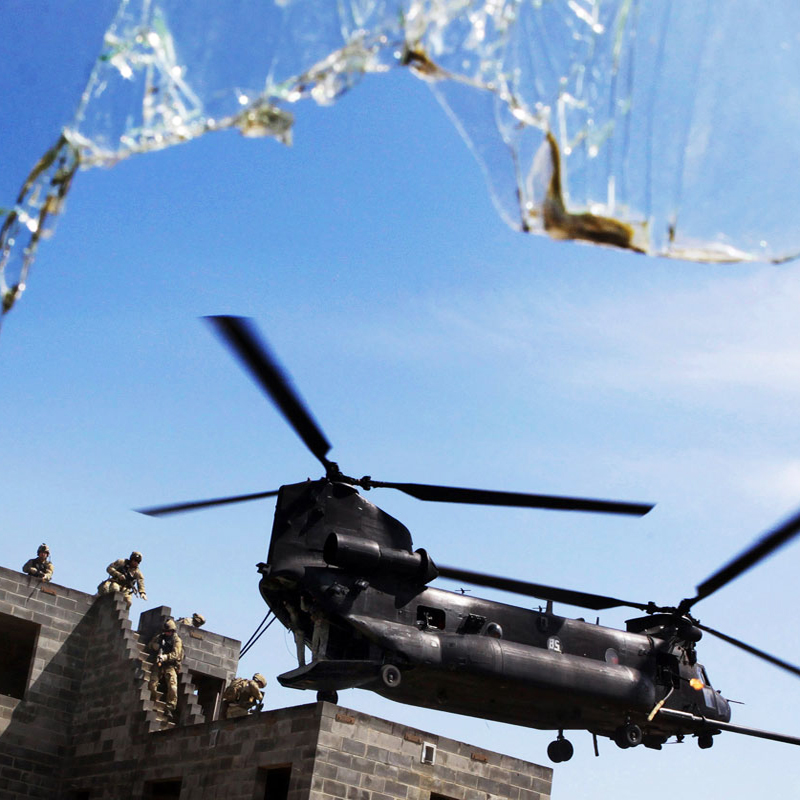
Slover's career trajectory exemplifies the progression of special operations aviators. As a master aviator and senior warrant officer, he had accumulated thousands of flight hours in the MH-47 Chinook helicopter, the workhorse of special operations aviation. The MH-47, a heavily modified version of the standard CH-47 Chinook, features advanced avionics, defensive countermeasures, aerial refueling capability, and specialized equipment for inserting and extracting special operations forces in hostile territory.
The Night Stalkers operate under a simple but demanding motto: "Night Stalkers Don't Quit." This ethos would be tested to its absolute limit during the operation to capture Venezuelan President Nicolás Maduro on January 3, 2026.
Operation Absolute Resolve: The Maduro Raid
The operation to capture Nicolás Maduro represented the culmination of months of classified planning by U.S. Special Operations Command. Maduro, who had been indicted by U.S. federal prosecutors on drug trafficking charges, had transformed Venezuela into a narco-state while maintaining power through military force and suppression of democratic opposition. The decision to conduct a direct action raid into Caracas to capture a sitting head of state represented one of the boldest military operations since the raid that killed Osama bin Laden.
Slover was designated as the flight lead for the initial assault element---the first MH-47 Chinook that would land at Maduro's heavily fortified compound in Caracas. This position carried enormous responsibility: the success of the entire mission and the lives of dozens of special operations commandos depended on Slover's ability to navigate through Venezuelan air defenses, approach the target under fire, and deliver the assault force precisely where needed.
As Slover's helicopter approached the compound in the pre-dawn darkness of January 3, Venezuelan security forces opened fire with heavy machine guns. In the final moments before landing, Slover was struck multiple times by enemy fire. Rounds tore through his left leg and hip, inflicting catastrophic injuries that would have incapacitated most individuals. The pain was described by President Trump as "unimaginable," yet Slover maintained control of the aircraft.
"The entire mission's success and the safety of his comrades depended on Eric's capacity to endure excruciating pain," President Trump explained during the State of the Union. "What happened to his legs due to the gunfire was incredible, yet he continued to pilot and land the aircraft".
Despite his wounds, Slover executed evasive maneuvers to position his helicopter's door gunners for effective return fire, suppressing enemy positions while simultaneously lining up for the landing. He maintained precise control of the forty-ton aircraft, ensuring that the special operations forces could egress safely and rapidly to begin the assault. Only after every commando had departed the helicopter did Slover allow his crew to begin emergency medical treatment.
The raid successfully captured Maduro, who was subsequently extradited to the United States to face federal charges. However, the operation came at significant cost. In addition to Slover's severe injuries, several other service members were wounded, and temporary power outages affected parts of Caracas as the assault force secured the objective.
The Award and Recovery
When Lieutenant General Jonathan Braga, head of Joint Special Operations Command, placed the Medal of Honor around Slover's neck during the State of the Union address, the wounded aviator stood with the assistance of a walker. He remained on active duty, undergoing extensive rehabilitation for his injuries while his award citation was being processed.
Slover's citation specifically recognized his "extraordinary heroism and conspicuous gallantry at the risk of his life above and beyond the call of duty." The citation detailed how he "placed the mission and his fellow warriors above his own survival," demonstrating the "decisive courage and uncommon valor" that define Medal of Honor recipients.
With Slover's recognition, the total number of Medal of Honor recipients rose to 3,530 since the award's creation during the Civil War, with 63 living recipients. Slover became the first Medal of Honor recipient recognized for actions during Operation Absolute Resolve in Venezuela, adding a new chapter to the Medal's history.
The recognition of Slover so soon after his actions---within weeks rather than years---also represented an evolution in the award process. Traditionally, Medal of Honor recommendations required extensive investigation, witness statements, and review processes that could take years. The immediacy of Slover's award reflected both the clear-cut nature of his heroism and the evolution of documentation capabilities in modern warfare, where actions can be recorded through multiple sources including aircraft sensors, helmet cameras, and communications intercepts. For military leaders and veterans alike, the rapid recognition underscored a commitment to ensuring that extraordinary courage on the battlefield is acknowledged while the events, and the sacrifices behind them, remain vivid in the nation’s memory.
Early Service and Korean War Deployment
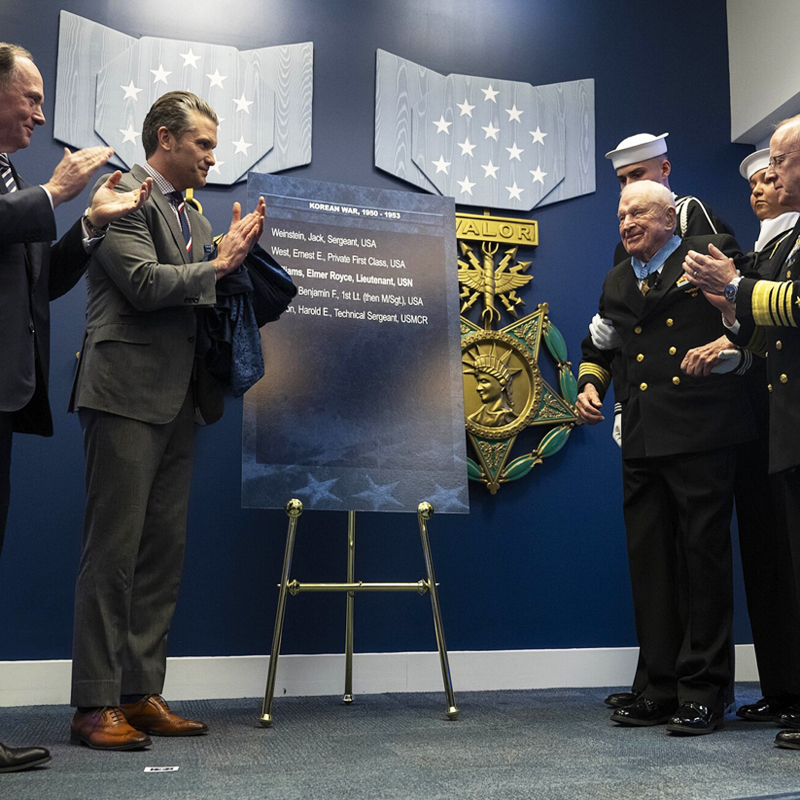
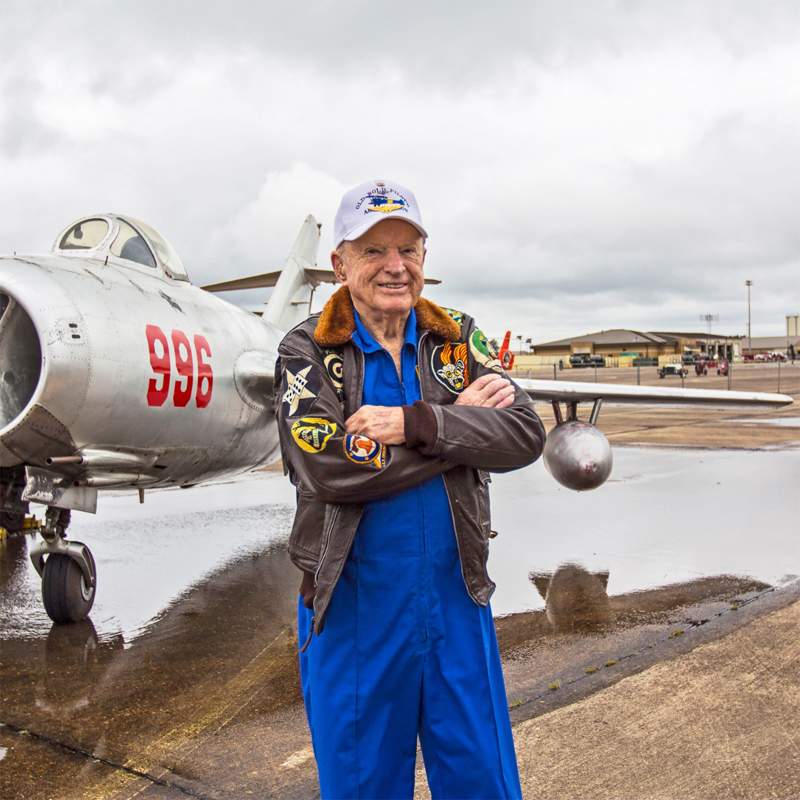
Captain Elmer Royce Williams, at 100 years old when he received his Medal of Honor, represents a link to a pivotal but often overlooked period of American military history---the Korean War. Born in 1925, Williams entered naval aviation during the latter stages of World War II, though he did not see combat in that conflict. By 1952, he was a lieutenant serving with Fighter Squadron 781 (VF-781) aboard the aircraft carrier USS Oriskany, part of Task Force 77 operating in the waters off North Korea.
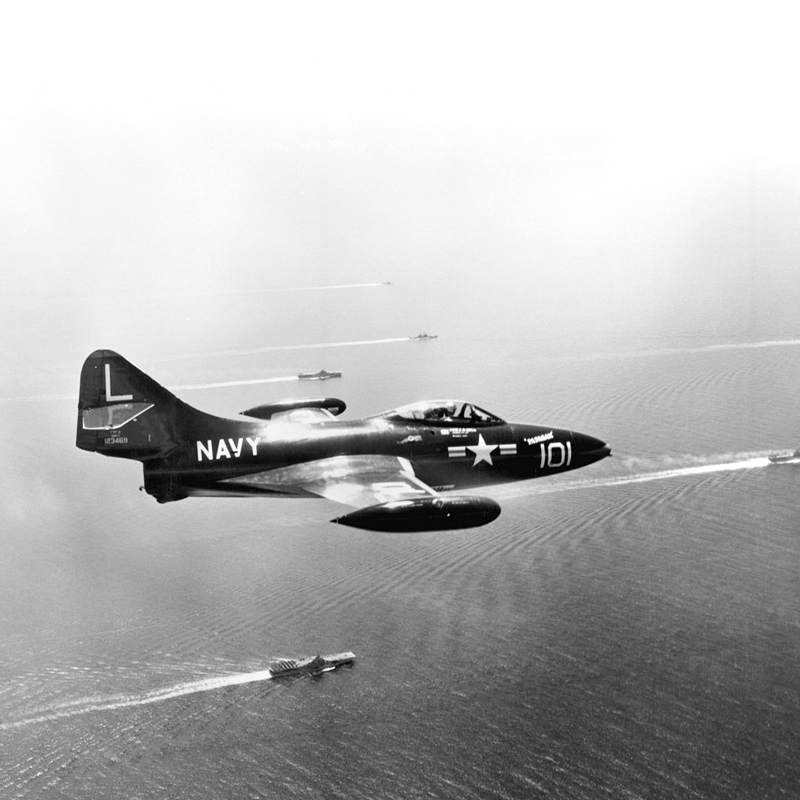
Williams flew the F9F Panther, the U.S. Navy's first operational jet fighter. The Panther was a straight-wing, single-engine jet that marked America's transition from propeller-driven combat aircraft to the jet age. While capable, the Panther was generally outmatched by the Soviet-built MiG-15, which featured swept wings, superior climb rate, and higher operational ceiling. American pilots had to rely on superior training and tactics to overcome the MiG's technical advantages.
The Mission: November 18, 1952
On November 18, 1952, Williams was flying his second combat patrol mission of the day over the northeastern coastal waters near Hoeryong, North Korea. The mission was routine---maintaining combat air patrol to protect Task Force 77's ships from potential air attack. Williams led a section of four F9F Panthers when radar controllers detected incoming aircraft.
What happened next remained classified for over 50 years, hidden behind Cold War secrecy. Seven Soviet MiG-15 fighters, flown by Soviet pilots rather than North Korean or Chinese aviators, approached the American formation. This represented a significant escalation: Soviet pilots actively engaging American forces could have triggered a broader conflict between the nuclear-armed superpowers.
The 35-Minute Dogfight
As his wingmen experienced equipment malfunctions and were forced to break off, Williams found himself alone against seven enemy fighters in deteriorating weather conditions. A blizzard swept across the Sea of Japan, reducing visibility even as the aerial combat intensified. For the next 35 minutes, Williams engaged in one of the most remarkable dogfights in aviation history.
The official Medal of Honor citation captures the extraordinary nature of the combat: "While flying a combat patrol mission over the northeastern coastal waters of enemy-held North Korea, Lieutenant Williams demonstrated extraordinary heroism by intercepting a superior force of attacking enemy MiG-15 fighters in order to protect the ships of Task Force 77".
Williams employed every tactical advantage at his disposal. While the MiG-15s had superior performance at high altitude, the Panther was more maneuverable at lower altitudes and could sustain tighter turns. Williams forced the engagement down to altitudes where his aircraft performed better, using the clouds and weather to complicate the enemy's tactical picture. His exceptional airmanship allowed him to maneuver behind successive MiG-15s despite being outnumbered seven-to-one.
Over the course of the engagement, Williams made multiple firing passes, achieving what no American pilot had accomplished before or since: he shot down four enemy aircraft in a single engagement while flying alone. A fourth MiG was severely damaged, trailing smoke as it limped back toward Soviet airspace. The remaining MiGs, their formation shattered and having lost more than half their number, broke off the engagement.
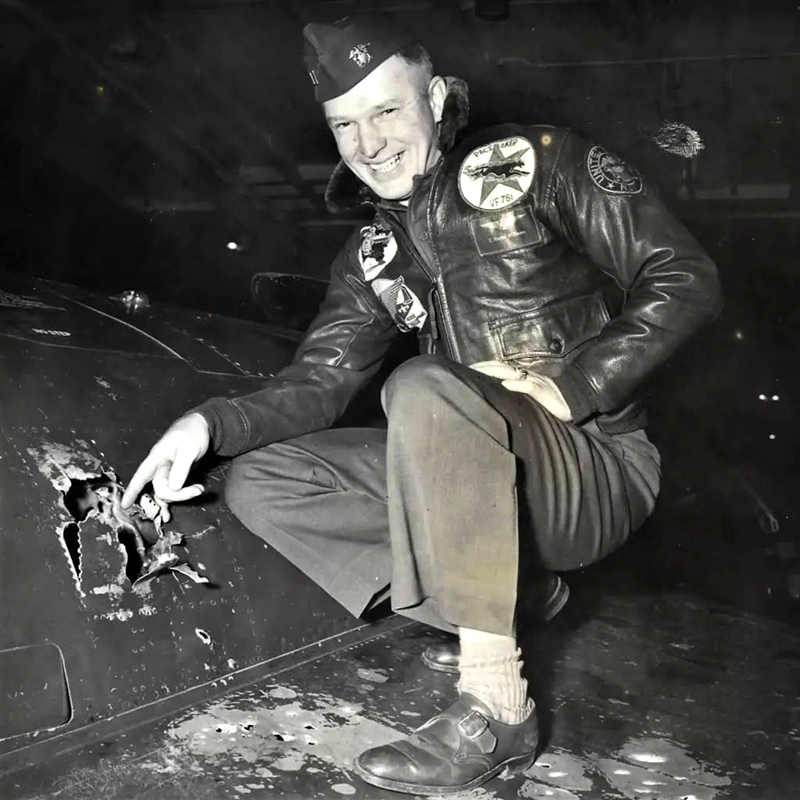
Williams' F9F Panther absorbed significant battle damage during the fight. His aircraft was struck by enemy fire multiple times, with over 200 holes documented when he returned to the Oriskany. The damage was so extensive that the aircraft was pushed overboard after Williams landed---standard procedure for aircraft too damaged for repair at sea. Williams himself walked away with minor injuries, though physically and mentally exhausted from the intense aerial combat.
Five Decades of Secrecy
For more than 50 years, Williams honored that order. He was quietly awarded the Silver Star for the engagement, with the citation describing the action in vague terms that obscured the true nature of the combat. His extraordinary feat remained known only to a handful of Navy officials and intelligence personnel who maintained the classified files.
Williams' F9F Panther absorbed significant battle damage during the fight. His aircraft was struck by enemy fire multiple times, with over 200 holes documented when he returned to the Oriskany. The damage was so extensive that the aircraft was pushed overboard after Williams landed---standard procedure for aircraft too damaged for repair at sea. Williams himself walked away with minor injuries, though physically and mentally exhausted from the intense aerial combat.
The end of the Cold War and the subsequent declassification of Soviet military records began to change the picture. In the 1990s, Russian aviation historians researching their own military history discovered records of the engagement from the Soviet side, confirming the loss of four MiG-15s on November 18, 1952. The Soviet records corroborated Williams' account in extraordinary detail, noting that their pilots had engaged a lone American fighter that had "fought with exceptional skill and tenacity".
The Long Road to Recognition
In 2002, following further declassification, the Navy upgraded Williams' Silver Star to the Navy Cross, the service's second-highest valor decoration. But advocates argued that even this did not adequately recognize Williams' extraordinary achievement. The American Legion took up Williams' cause, with American Legion Magazine publishing a detailed account of the engagement in November 2017.
The primary obstacle to awarding Williams the Medal of Honor was statutory time limitations. Federal law generally required Medal of Honor recommendations to be submitted within five years of the action for which the award was being considered, with limited exceptions for classified operations. Williams' case clearly involved classified information, but the existing statutory exception covered only operations between 1940 and 1990, and only for intelligence activities---not combat actions.
The American Legion passed a resolution calling for Williams to receive the Medal of Honor and began a sustained advocacy campaign dubbed "Operation Just Reward." Legion members, along with veterans' organizations and military historians, lobbied Congress to create a pathway for Williams to receive proper recognition.
The breakthrough came with the Fiscal Year 2026 National Defense Authorization Act (NDAA), which included specific language removing time limits that prevented Williams from receiving the Medal of Honor. The provision, championed by Representative Darrell Issa and other members of Congress, recognized that "valor has no expiration" and that classification and secrecy should not permanently prevent proper recognition of extraordinary heroism.
The Long Road to Recognition
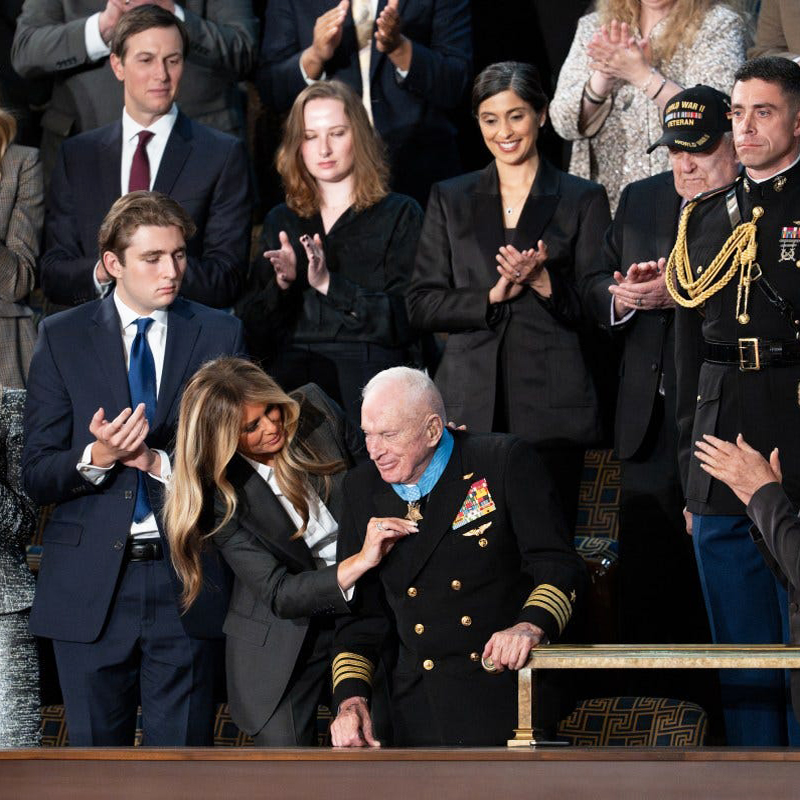
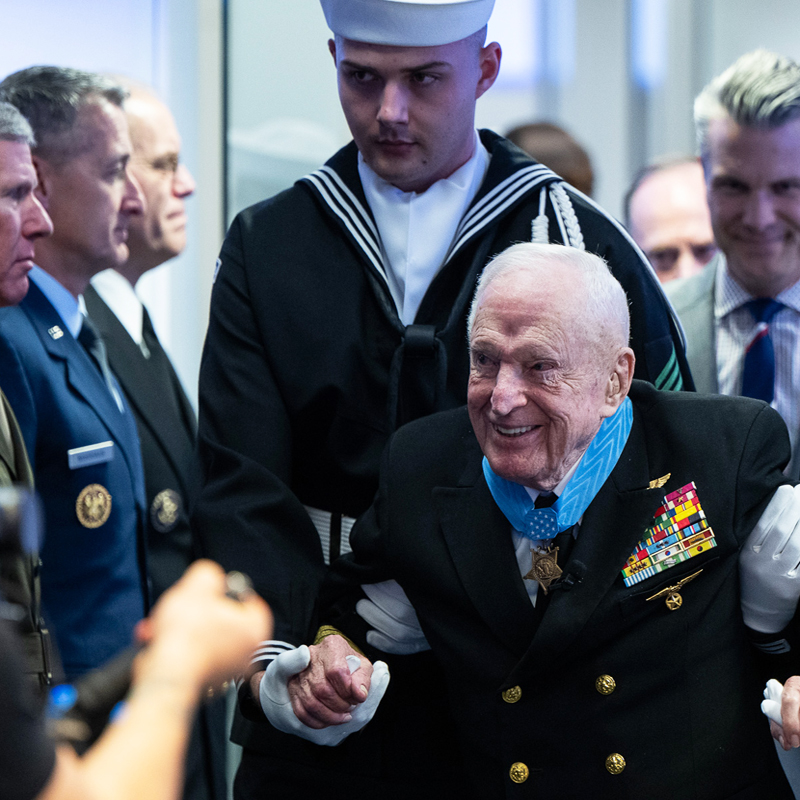
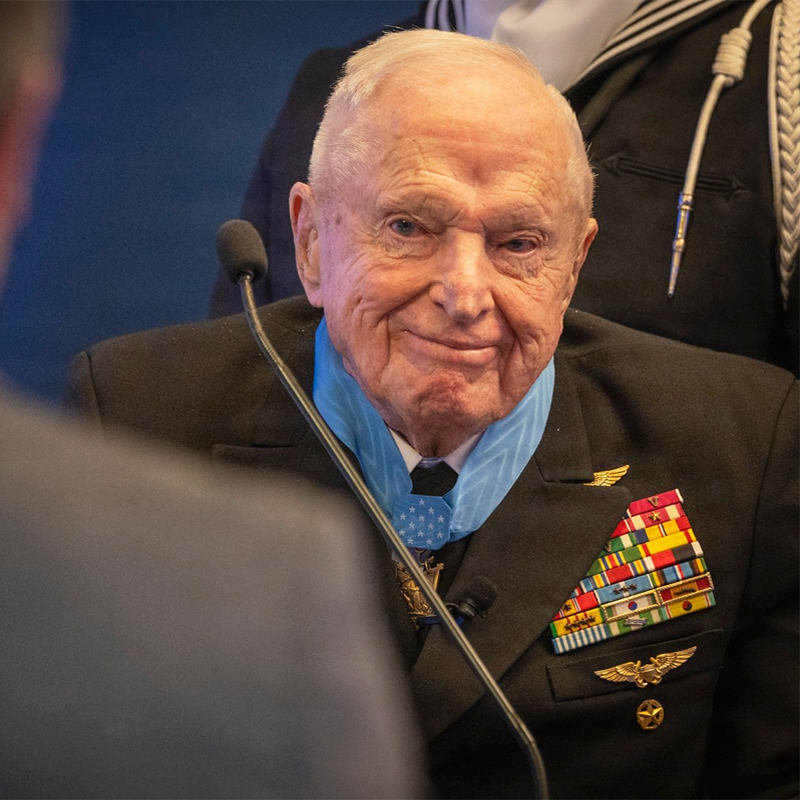
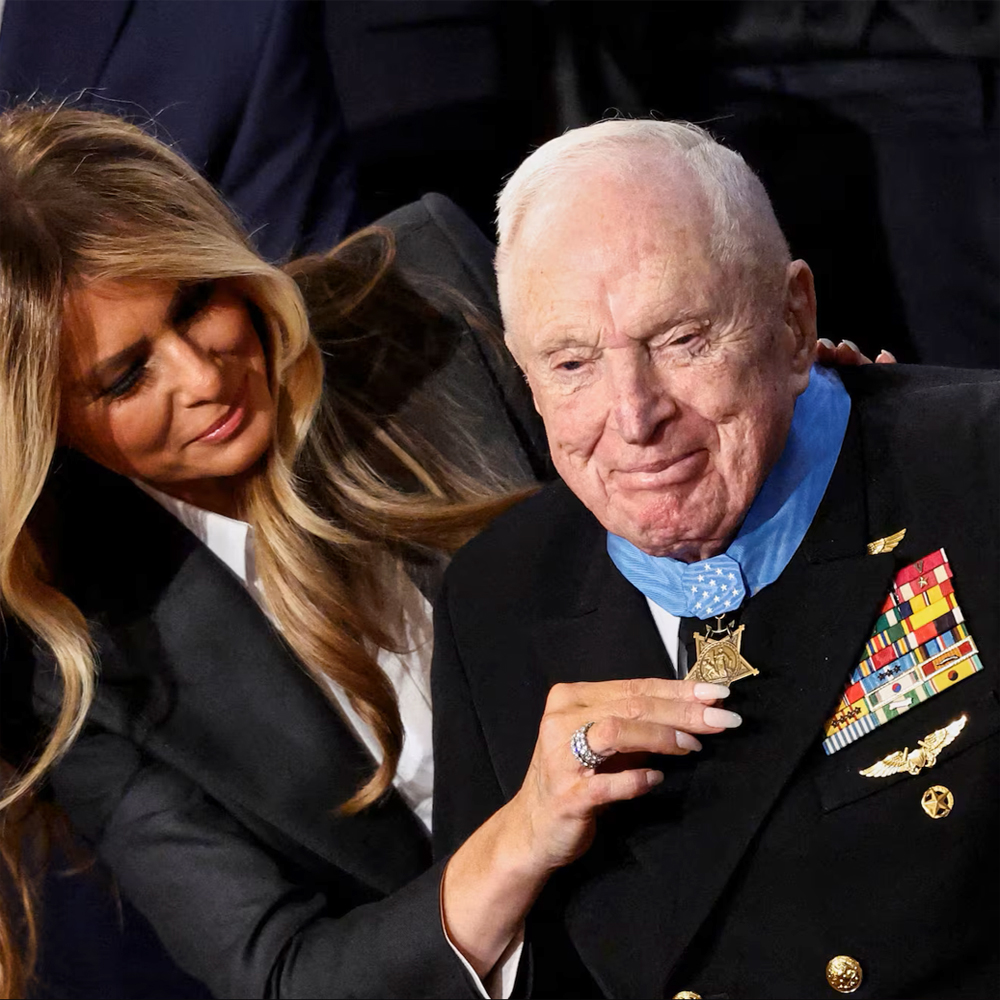
During the State of the Union address on February 24, 2026, President Trump called special attention to Williams' presence in the gallery. "Tonight, at 100 years old, this brave Navy captain is finally getting the recognition he deserves," Trump declared. The chamber rose in one of the evening's longest standing ovations as First Lady Melania Trump placed the Medal of Honor around Williams' neck.
At 100 years old, Williams became the oldest person ever to receive the Medal of Honor. His recognition also made him the only living Medal of Honor recipient from the Korean War era, bridging a gap in the living history of America's military conflicts. The "Forgotten War," as Korea is often called, finally had a living Medal of Honor recipient who could speak to the extraordinary courage displayed by that generation.
"This moment underscores an ongoing effort within the Defense Department to revisit past awards and ensure acts of valor are properly recognized, even decades later," noted military historians observing the ceremony. Williams' case demonstrated that bureaucratic obstacles and classification concerns should not permanently obscure genuine heroism.
Impact on Aviation History
Williams' recognition forced a reassessment of Korean War aviation history. His four confirmed kills in a single engagement, while flying alone against superior numbers in a technically inferior aircraft, represented one of the greatest achievements in jet combat. Aviation historians compared his feat to the exploits of World War II aces, noting that Williams achieved in 35 minutes what most fighter pilots never accomplished in entire combat tours.
The engagement also provided insights into Soviet capabilities and tactics during the Korean War. The fact that Soviet pilots were directly engaged in combat operations---something long suspected but never officially acknowledged during the Cold War---added important context to understanding the conflict's dynamics and the risk calculations made by both superpowers. In retrospect, the episode illustrated how close the Korean War sometimes came to becoming a direct superpower confrontation in the air. It also underscored the importance of declassified records and veteran testimony in reshaping the historical record decades after the fighting had ended.
Announcement and Timing
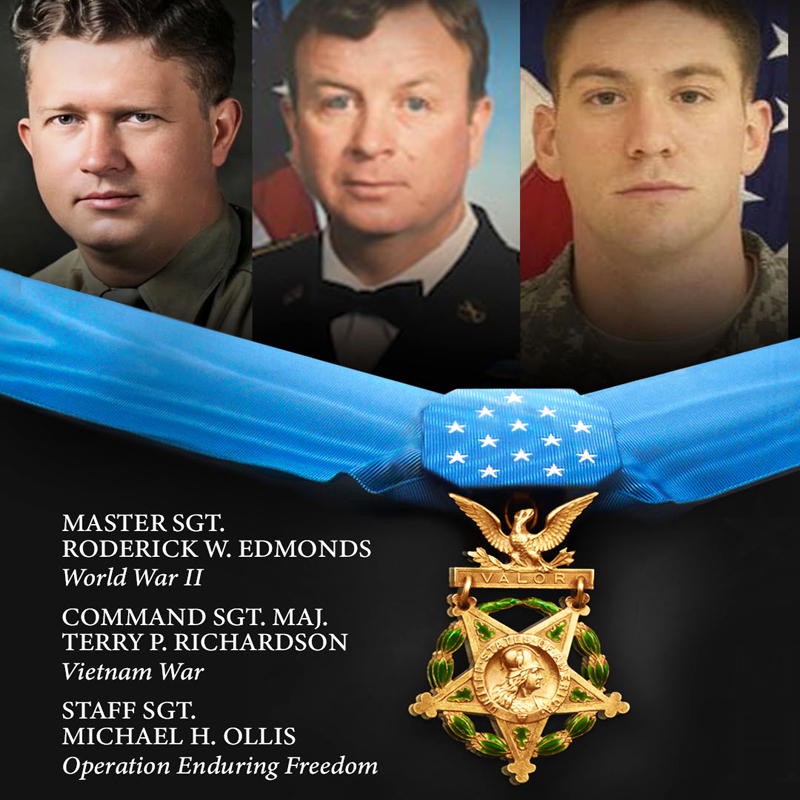
On February 26, 2026, just two days after the State of the Union presentations, the White House announced that three additional U.S. Army soldiers would receive the Medal of Honor during a ceremony scheduled for March 2, 2026. The recipients---Master Sergeant Roderick "Roddie" Edmonds (posthumous), Staff Sergeant Michael Ollis (posthumous), and retired Command Sergeant Major Terry Richardson---represent three different American conflicts spanning over six decades: World War II, Vietnam, and Afghanistan.
The timing of these announcements and ceremonies reflected a concerted effort by the current administration to prioritize military valor recognition. Five Medal of Honor recipients in a single week represented an extraordinary concentration of recognition, drawing national attention to military service and sacrifice in ways that individual ceremonies, separated by months, might not achieve.
The inclusion of service members from three different eras also underscored the continuity of military service across generations of Americans. By recognizing acts of heroism from World War II, Vietnam, and the post-9/11 conflicts within the same week, the ceremonies linked the experiences of veterans from vastly different battlefields and historical contexts. The decision to highlight both long-delayed recognitions and more recent acts of bravery reflected an ongoing effort to reassess historical records, correct past oversights, and ensure that extraordinary courage, whether recognized immediately or decades later, receives the nation’s highest military honor.
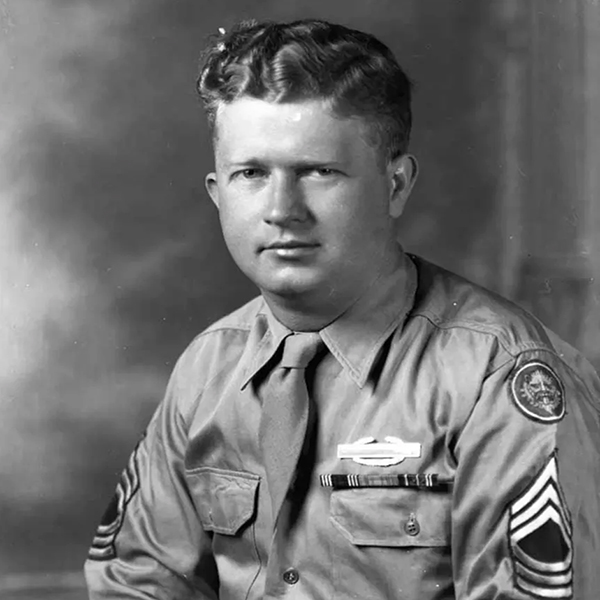
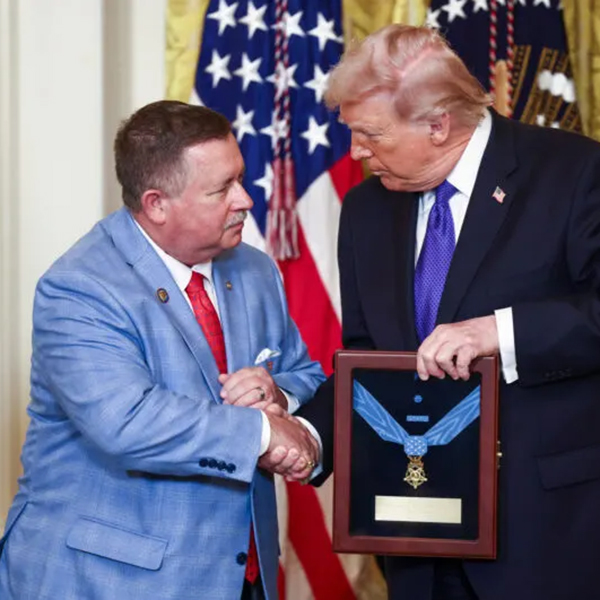
Master Sergeant Roderick “Roddie” Edmonds
Master Sergeant Roderick Waring Edmonds was born in 1919 in Knoxville, Tennessee. He entered military service during World War II and served with Headquarters and Headquarters Company, 422nd Infantry Regiment, 106th Infantry Division. The 106th Infantry Division, nicknamed the "Golden Lions," was deployed to Europe in late 1944 and thrown immediately into combat during Germany's surprise Ardennes Offensive---the Battle of the Bulge.
The Battle of the Bulge, Hitler's last major offensive in the West, caught Allied forces by surprise in December 1944. The 106th Infantry Division, positioned in the Ardennes sector that bore the brunt of the initial German assault, suffered catastrophic casualties. Entire regiments were surrounded and forced to surrender. Among those captured was Master Sergeant Edmonds, taken prisoner on December 19, 1944.
The Prisoner of War Experience
Edmonds and his fellow prisoners were subjected to a brutal four-day forced march in freezing conditions to the Gerolstein railway station. Many prisoners died during the march. Survivors were then packed into boxcars---seventy men per car---without food or water, forced to eat snow, and transported to Stalag IX-B prison camp at Bad Orb, Germany.
At Bad Orb, the German captors immediately began segregating Jewish American soldiers into separate barracks with starvation rations and lice-infested conditions. Approximately 350 Jewish American POWs were eventually sent east to the Berga forced labor camp, where many perished from abuse, starvation, and overwork. The segregation of Jewish POWs violated the Geneva Conventions but was consistent with Nazi racial ideology.
After roughly a month at Bad Orb, the Germans divided the American POWs and transferred 1,292 non-commissioned officers to Stalag IX-A camp at Ziegenhain. Edmonds, as the highest-ranking American NCO among the group, assumed command responsibility for the American POWs at the new camp, which also held British, French, and Russian prisoners.
The Defining Moment
On the evening following their arrival at Stalag IX-A, the Germans announced over the camp loudspeaker that all Jewish prisoners were to report the following morning.
Failure to comply would result in being shot. The order was clear: the Germans intended to identify the approximately 200 Jewish soldiers among the American POWs and separate them from the general population, likely for transport to concentration camps or forced labor camps where survival was unlikely.
That evening, Master Sergeant Edmonds made a decision that would save hundreds of lives. He gave the order that instead of just Jewish soldiers reporting, all 1,292 American POWs would appear together in military formation the following morning. When questioned by other NCOs about the risk he was taking, Edmonds was resolute: he would not allow Jewish soldiers under his command to be separated and sent to their probable deaths.
The next morning, as ordered, all American POWs formed up together. When the German commandant arrived and saw the entire American contingent standing in formation, he was furious. He strode up to Edmonds and demanded that he order all Jewish soldiers to step forward. Edmonds refused.
The commandant drew his pistol and pressed it to Edmonds' forehead, demanding again that the Jewish soldiers be identified. Edmonds looked the German officer in the eye and spoke the words that would echo through history: "We are all Jews here".
Edmonds continued, telling the commandant that if he wanted to shoot Jewish prisoners, he would have to kill all of them---1,292 American soldiers. Such a mass execution would constitute an obvious war crime that would be prosecuted after the war. The commandant, faced with Edmonds' unwavering stand and the practical and legal implications of mass murder, holstered his pistol and walked away. The Jewish American POWs were never segregated at Stalag IX-A.
Post-War Life and Recognition
Edmonds survived the war and returned to Tennessee, where he lived a quiet life. He died in 1985, never having sought public recognition for his actions. For decades, his extraordinary act of moral courage remained largely unknown outside the community of POWs who had been at Stalag IX-A.
In 2015, Yad Vashem, Israel's official memorial to victims of the Holocaust, recognized Edmonds posthumously as "Righteous Among the Nations"---the highest honor Israel bestows on non-Jews who risked their lives to save Jews during the Holocaust. He was the first American serviceman to receive this recognition, bringing international attention to his story.
Veterans' organizations and advocates subsequently began pressing for Edmonds to receive the Medal of Honor. The challenge, as with Williams' case, was the statutory time limitation. However, the FY 2026 NDAA included provisions allowing for Medal of Honor consideration in cases where new evidence had emerged or where original awards did not adequately reflect the heroism displayed.
Edmonds' Medal of Honor citation recognizes his actions from January 27, 1945, to March 30, 1945, as a prisoner of war in Germany, specifically his "acts of gallantry and intrepidity above and beyond the call of duty" in protecting fellow American soldiers from Nazi persecution at extreme personal risk.
His daughter and other family members will accept the Medal of Honor on his behalf during the March 2, 2026 ceremony. Edmonds' posthumous recognition serves as a powerful reminder that courage manifests not only in combat but in moral stands taken against injustice, even when facing overwhelming power.
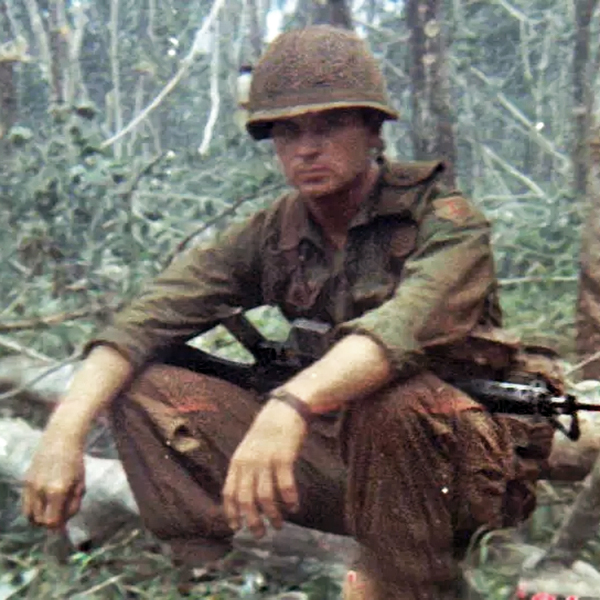
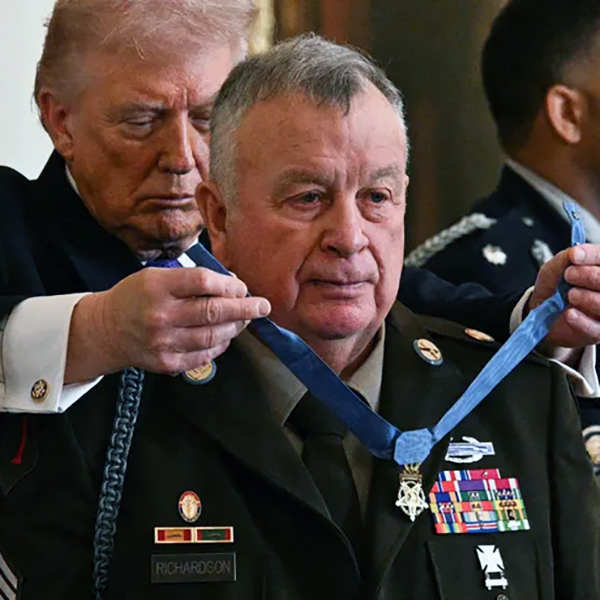
Background and Vietnam Service
Command Sergeant Major Terry P. Richardson, now retired, served during the Vietnam War as a staff sergeant with the 1st Infantry Division, "The Big Red One." The 1st Infantry Division was one of the premier combat units deployed to Vietnam, conducting major operations throughout the war.
On September 14, 1968, Richardson was on a reconnaissance mission with his unit near Loc Ninh, South Vietnam, in the dense jungle along the Cambodian border. The area was known for significant North Vietnamese Army (NVA) activity, with enemy forces using sanctuaries across the border to stage attacks into South Vietnam.
The Battle
During the reconnaissance mission, Richardson's unit came under intense fire from a "well-entrenched North Vietnamese Army battalion"---a force significantly larger than his own element. The tactical situation rapidly deteriorated as the Americans found themselves in a near-ambush situation against numerically superior forces with prepared positions.
Richardson, then a staff sergeant, immediately began taking action to save his fellow soldiers. Under heavy machine gun fire, he made three separate daring rescues of critically wounded comrades, exposing himself to enemy fire each time to drag wounded men to relative safety where they could receive medical treatment.
As the situation worsened, Richardson realized his unit was completely encircled by enemy forces. Rather than accept defeat or surrender, he made the decision to advance alone under fire to higher ground where he could better direct fire support. Reaching a hilltop position, Richardson discovered he had inadvertently infiltrated into the base camp of an entire enemy regiment---potentially thousands of North Vietnamese soldiers.
For several hours, Richardson remained in this exposed position, calling in airstrikes on enemy forces even as they tried to locate and eliminate him. His position was so close to enemy concentrations that he was directing strikes "danger close"---within lethal distance of his own location. An enemy sniper eventually located him and inflicted a serious wound, but Richardson continued to call in airstrikes, refusing to be evacuated.
The sustained air assault Richardson directed broke the enemy's cohesion and forced them to retreat. When American forces finally secured the area and reached Richardson's position, they found him alive but severely wounded. Despite his injuries, he refused medical evacuation, choosing to remain with his men until the tactical situation was fully stabilized.
Long Road to Recognition
Richardson's actions earned him the Distinguished Service Cross at the time. For over five decades, this remained his recognition for one of the most remarkable displays of courage in the Vietnam War. However, advocates reviewing his case believed the Distinguished Service Cross did not adequately reflect the extraordinary nature of his actions---repeatedly exposing himself to enemy fire to save others, infiltrating an enemy base camp, and directing fire support while wounded, all to save his surrounded unit.
The effort to upgrade Richardson's Distinguished Service Cross to the Medal of Honor benefited from the changing attitudes toward Vietnam-era awards and the broader initiative to ensure valor was properly recognized regardless of when it occurred. The detailed after-action reports from the 1968 engagement provided extensive documentation of Richardson's actions, supported by witness statements from soldiers whose lives he saved.
Richardson's case represented a type of heroism particularly common in Vietnam---the small unit leader who, through extraordinary personal courage and tactical skill, turned potential disaster into survival for his men. The recognition of these acts, decades later, helps correct historical under-recognition of Vietnam veterans' service.
Recognition at Last
Command Sergeant Major Richardson, now in his late 70s, will receive the Medal of Honor personally during the March 2 ceremony. Unlike Edmonds and Ollis, who will be recognized posthumously, Richardson will have the opportunity to wear the medal and participate in the Medal of Honor Society's activities.
His recognition as Command Sergeant Major, rather than staff sergeant (his rank at the time of the action), reflects his continued service and advancement through the NCO ranks following his Vietnam heroics. The recognition honors not only his actions on September 14, 1968, but also his decades of continued service to the nation.
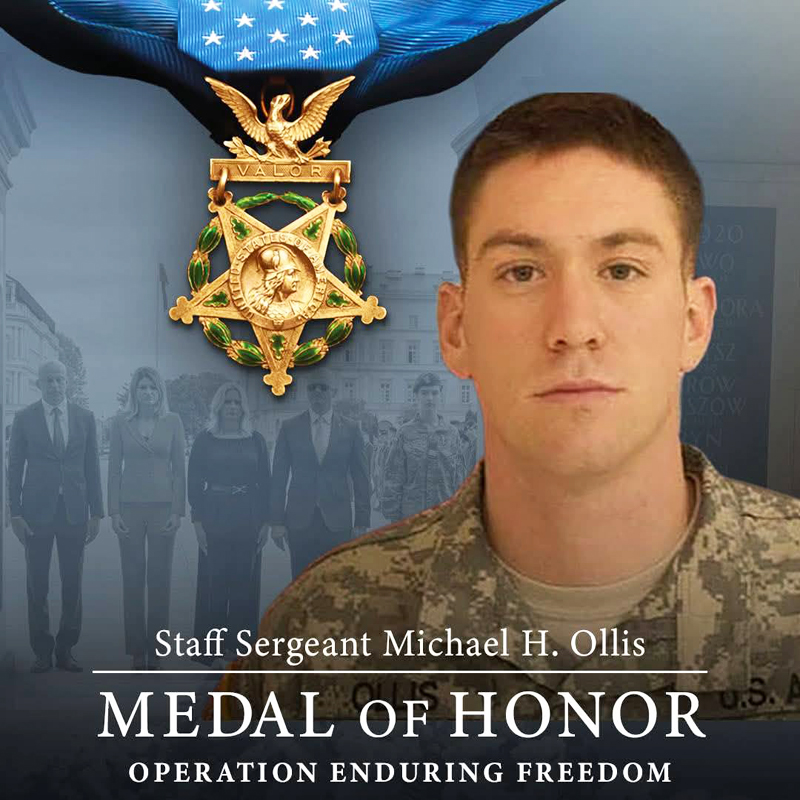
Staff Sergeant Michael Ollis
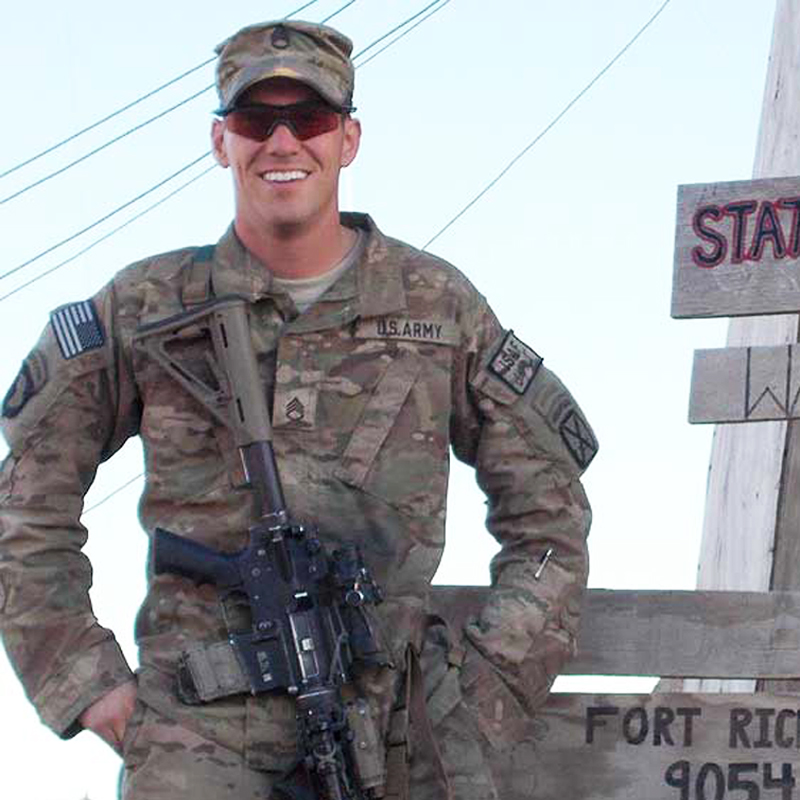
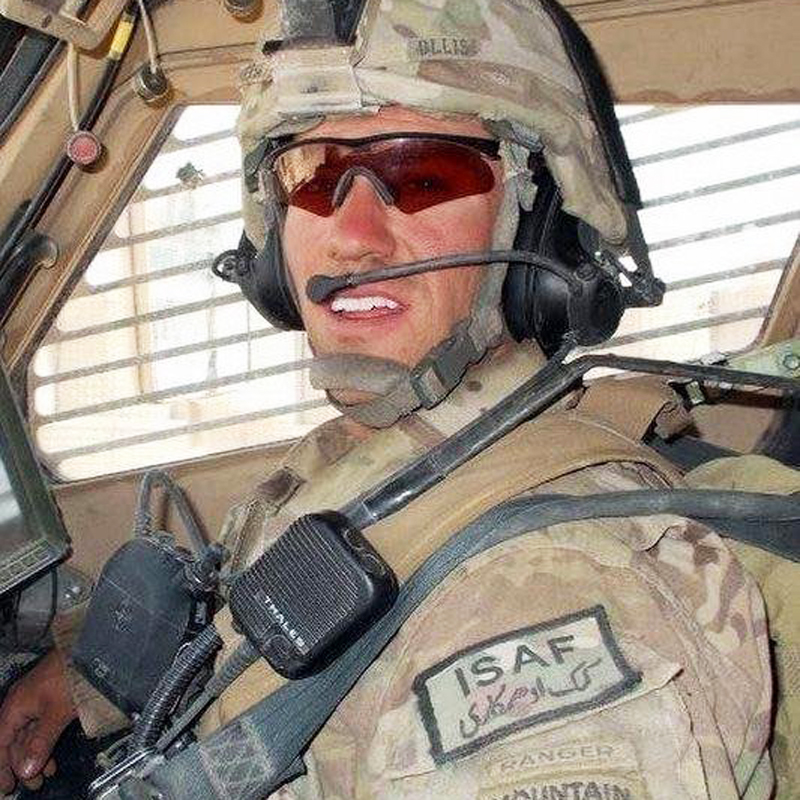
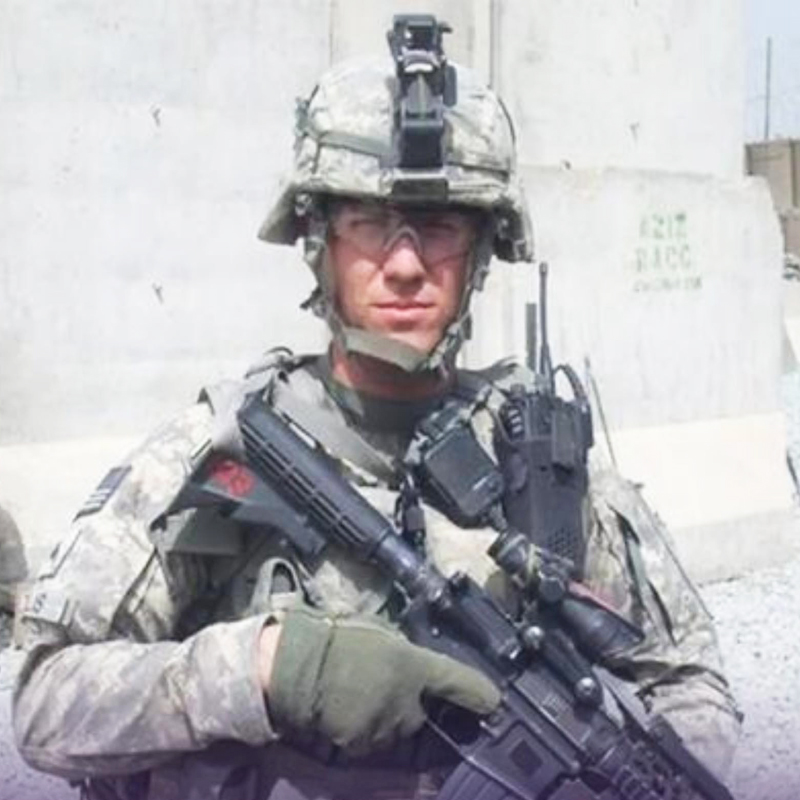
Michael Harold Ollis was born on September 16, 1988, in Staten Island, New York. He enlisted in the U.S. Army and served with Company B, 2nd Battalion, 22nd Infantry Regiment, 1st Brigade Combat Team, 10th Mountain Division (Light Infantry), one of the Army's premier light infantry units based at Fort Drum, New York.
The 10th Mountain Division has a storied history dating back to World War II, when specially trained mountain troops fought in the Italian Alps. In the post-9/11 era, the division deployed repeatedly to Afghanistan and Iraq, conducting counterinsurgency operations in some of the most challenging terrain and against determined enemy forces.
Michael Harold Ollis was born on September 16, 1988, in Staten Island, New York. He enlisted in the U.S. Army and served with Company B, 2nd Battalion, 22nd Infantry Regiment, 1st Brigade Combat Team, 10th Mountain Division (Light Infantry), one of the Army's premier light infantry units based at Fort Drum, New York.
By 2013, Ollis had risen to the rank of staff sergeant and was serving his deployment in Afghanistan as part of Operation Enduring Freedom. At age 24, he was a proven leader responsible for the lives of soldiers under his command.
Forward Operating Base Ghazni
Ollis was stationed at Forward Operating Base (FOB) Ghazni in Ghazni Province, Afghanistan. The base, located in a volatile region with persistent Taliban presence, operated as a joint NATO facility. American forces worked alongside Polish Army units as part of the international coalition supporting the Afghan government against insurgent forces.
The partnership with Polish forces represented the kind of international cooperation that characterized NATO operations in Afghanistan. Polish soldiers had served alongside American forces throughout the Afghanistan campaign, conducting combat operations and training Afghan security forces. The relationship between American and Polish soldiers on the ground reflected the broader strategic alliance between the two nations.
On August 28, 2013, FOB Ghazni came under complex attack by Taliban insurgents. Approximately ten insurgents, including a suicide bomber in a vehicle laden with explosives, breached the base's defensive perimeter. The attack was designed to inflict maximum casualties and overwhelm the base's defenses through surprise and violence.
The Attack
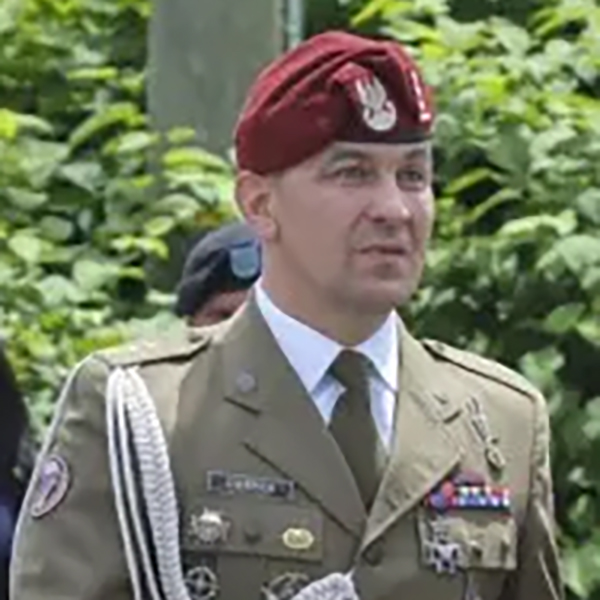
When the attack began, Ollis and Polish Army 2nd Lieutenant Karol Cierpica were not in full protective equipment---they had been engaged in routine activities when the alarm sounded. Armed only with their rifles, both men immediately moved toward the sound of the breach, engaging the insurgents to prevent them from penetrating deeper into the base.
The tactical situation was chaotic. Insurgents had created a breach in the perimeter wall and were attempting to exploit it before defenders could establish effective resistance. The suicide bomber was moving toward concentrations of NATO forces, seeking to maximize casualties from his explosive payload. Ollis and Cierpica found themselves in direct contact with multiple insurgents.
During the firefight, Lieutenant Cierpica was wounded. As he fell, the suicide bomber advanced toward his position, intent on detonating his explosive vest near the wounded officer. In the split second that followed, Staff Sergeant Michael Ollis made a choice that would cost him his life but save his Polish comrade.
Ollis threw himself between the wounded Polish officer and the suicide bomber, using his own body as a shield. The bomber detonated his explosive vest, and Ollis absorbed the full force of the blast. He died instantly. Lieutenant Cierpica, though wounded by fragmentation, survived. Ollis had traded his life for the life of an ally.
Initial Recognition and Upgrade Efforts
Ollis was initially awarded the Distinguished Service Cross, the U.S. Army's second-highest decoration for valor, for his actions. His citation recognized his "extraordinary heroism while engaged in an action against an enemy of the United States while serving as an Infantryman" and detailed how he "gave his life to save another".
However, family members, veterans' advocates, and Polish officials believed that Ollis' actions merited the Medal of Honor. They pointed out that he had made the conscious decision to sacrifice his own life to save another, displaying the kind of selfless courage that the Medal of Honor was created to recognize.
The Staten Island community, New York political leaders, and veterans' organizations mounted a sustained campaign for Ollis to receive the Medal of Honor. Representative Nicole Malliotakis, representing Staten Island, led congressional efforts to upgrade the award. The Polish government also advocated for the upgrade, with Polish officials noting that Ollis had given his life to save a Polish officer, demonstrating the strongest possible commitment to allied cooperation.
In 2026, after more than a decade of advocacy, the White House announced that Ollis would posthumously receive the Medal of Honor. Representative Malliotakis confirmed she had received direct word from the White House, bringing to fruition years of effort by those who believed Ollis' sacrifice deserved the nation's highest recognition.
Legacy and International Impact
Ollis' posthumous Medal of Honor recognition carries significance beyond individual recognition. His willingness to sacrifice his life for a soldier of another nation exemplifies the bonds forged between allied forces in combat. Polish officials have noted that Ollis is remembered as a hero in Poland, with Polish military units honoring his memory and Lieutenant Cierpica speaking publicly about the American soldier who saved his life.
The Robert J. Dole VA Medical Center in New York features a permanent memorial to Ollis, and efforts have been made to name facilities in his honor. His story has been incorporated into training curricula as an example of selfless service and allied cooperation.
Ollis' parents, who will receive the Medal of Honor on their son's behalf during the March 2 ceremony, have become advocates for veterans' issues and Gold Star families. They have worked to ensure that their son's sacrifice is remembered and that other fallen warriors receive proper recognition.
DISCLAIMER: Opinions expressed are those ONLY of the author and do not claim nor imply any official position or endorsement of the U.S. government or any of its departments or agencies.
About the Author: Doug Livermore is National Director for External Communications at the Special Forces Association, the National Vice President for the Special Operations Association of America, and the Deputy Commander for Special Operations Detachment–Joint Special Operations Command in the North Carolina National Guard. He is a senior government civilian and intelligence officer, having served in various roles at the Office of the Secretary of War, Department of the Navy, and Department of the Army.