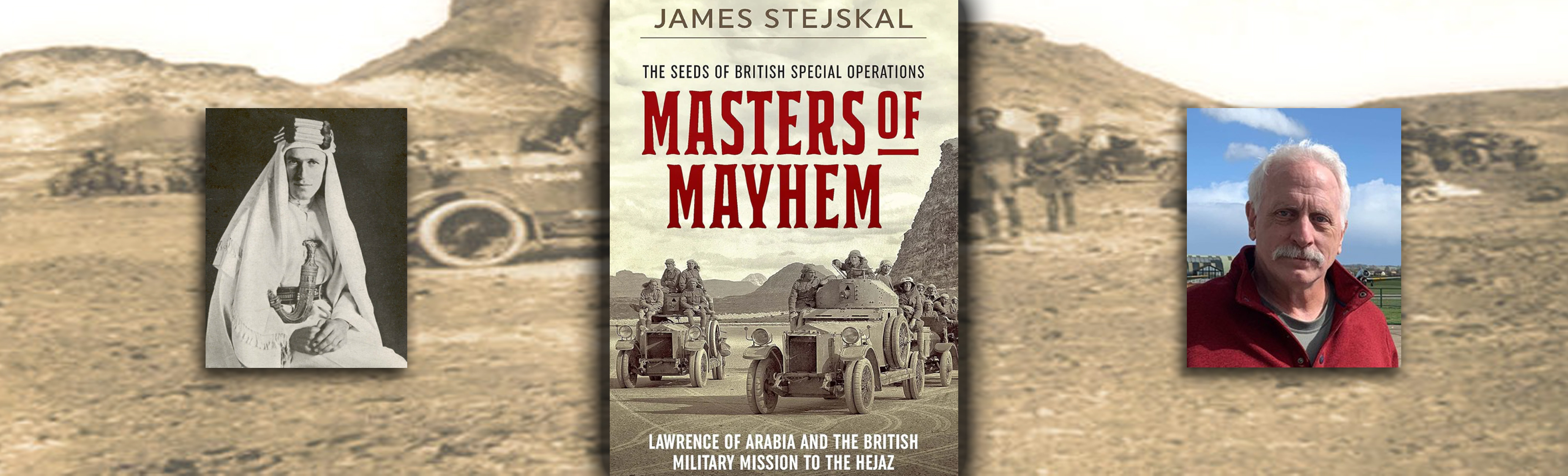
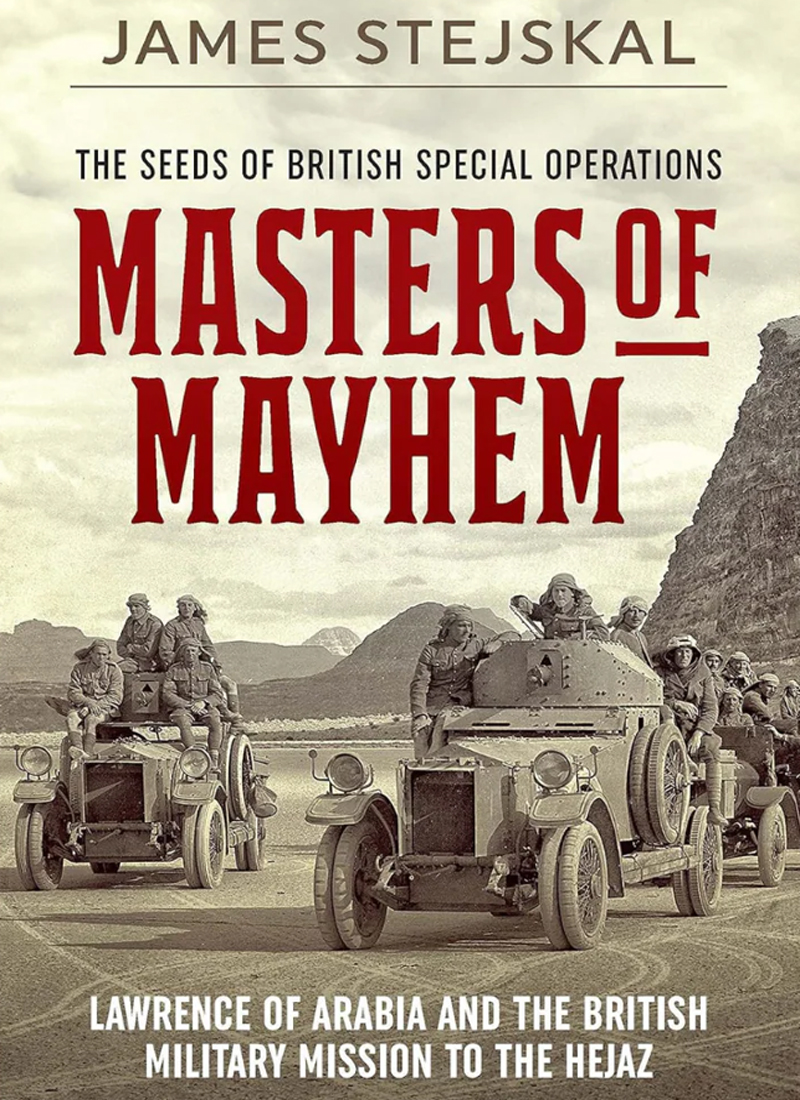
In Masters of Mayhem: Lawrence of Arabia and the British Military Mission to the Hejaz, James Stejskal delivers a masterful exploration of the origins of modern special operations and unconventional warfare. Far from being another biographical treatment of T.E. Lawrence, this exceptional work examines the collective efforts of the British Military Mission (BMM) that operated in the Arabian Peninsula during World War I, revealing how a small cadre of irregular warfare specialists pioneered tactics and operational concepts that would shape military doctrine for generations to come[1].
Stejskal brings unique credibility to this historical analysis. As a former U.S. Army Special Forces officer who served thirty-five years as a "Green Beret" and CIA case officer, he understands unconventional warfare not merely as an academic concept but as a lived reality[2].
His career included two tours with the elite Special Forces Berlin unit during the Cold War, where he conducted clandestine operations behind potential Warsaw Pact lines, and later service with the CIA in numerous high-risk environments worldwide[3]. This operational background allows Stejskal to read the historical record with an expert's eye, recognizing in the actions of Lawrence, Stewart Newcombe, Pierce Joyce, and their Arab allies the fundamental principles that would later underpin British SAS operations, American Special Forces doctrine, and modern counterinsurgency campaigns.
The Historical Roots of Unconventional Warfare
What makes Masters of Mayhem What makes Masters of Mayhem particularly significant for scholars and practitioners of military strategy is its focus on the WWI Arabia campaign as a crucible for unconventional warfare methodology. Stejskal meticulously traces how the BMM developed and refined tactics that remain foundational to special operations today: striking where the enemy is weakest, achieving surprise through mobility and intelligence, working "by, with, and through" indigenous forces, and creating effects disproportionate to the resources committed[4].
The book excels in its detailed examination of the technical and tactical innovations that emerged from the harsh crucible of desert warfare. Stejskal provides fascinating insights into demolition techniques, including the development of "tulip mines"—thirty-ounce guncotton charges placed under railway sleepers that, when detonated, twisted rails and ties into flower-like shapes that made repair nearly impossible[5]. These were not random acts of sabotage but carefully calculated operations designed to maximize operational impact while minimizing risk to the attacking force. The systematic campaign against the Hejaz Railway demonstrated how a relatively small force, properly employed with good intelligence and indigenous support, could paralyze Turkish military logistics and tie down thousands of enemy troops across hundreds of miles of territory.
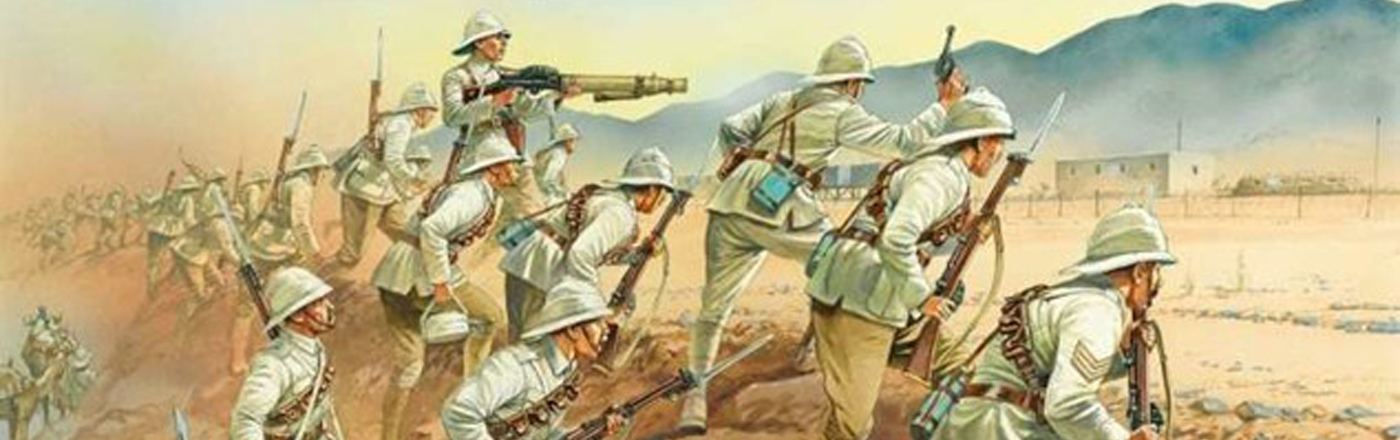
The author also illuminates the human and cultural dimensions of unconventional warfare that often prove more challenging than the purely military aspects. The BMM officers had to navigate not only the physical dangers of desert combat but also the complex tribal politics of the Bedu, the competing imperial ambitions revealed in the Sykes-Picot Agreement, and the ethical tensions between loyalty to Arab allies like Prince Faisal and Auda Abu Tayi and the demands of British strategic interests[1]. Lawrence's famous "Twenty-Seven Articles," reprinted in the book's appendix, reveal a sophisticated understanding of cultural intelligence and cross-cultural leadership that remains remarkably relevant for today's special operations forces working with partner nations.
A Collective Portrait of Innovation
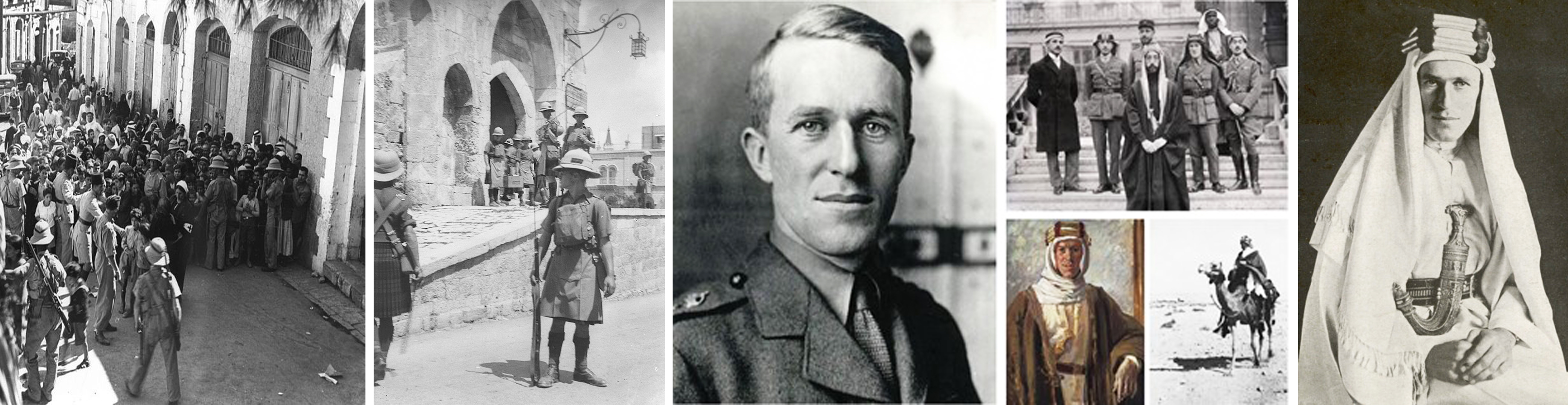
While the book's title references Lawrence of Arabia, Stejskal deliberately positions him as one member of a larger team rather than a solitary genius. This is one of the work's greatest strengths. Readers encounter a rich cast of characters: Colonel Stewart Newcombe, whose engineering expertise proved invaluable in demolitions operations; Pierce Joyce, who managed the complex logistics that sustained operations deep in hostile territory; Colonel Cyril Wilson, who handled delicate diplomatic negotiations; and Arab leaders like Ja'far al-Askari Pasha and Colonel Aziz al-Masri Bey, former Ottoman officers who brought professional military expertise to the Arab Revolt[3].
By highlighting this collective effort, Stejskal demonstrates that successful unconventional warfare requires diverse skills—technical expertise, cultural awareness, diplomatic finesse, logistical acumen, and tactical audacity—rarely found in a single individual. The BMM succeeded because it assembled specialists whose complementary capabilities created synergistic effects. This insight has profound implications for how modern special operations units are organized and deployed.
Operational Realities and Strategic Lessons
The book does not romanticize unconventional warfare. Stejskal honestly portrays the frustrations inherent in working with irregular forces: Bedu warriors who prioritized tribal interests over strategic objectives, supply dumps mysteriously pilfered, agreements that dissolved when more lucrative opportunities appeared elsewhere, and the constant challenge of maintaining operational security among partners with different cultural concepts of loyalty and information sharing[5]. Vehicle breakdowns in punishing terrain, delays caused by weather and navigation difficulties, and the Turkish military's impressive resilience in repairing sabotaged rail lines all receive attention.
Yet these challenges only underscore the achievement of the BMM. Despite operating under conditions of extreme uncertainty, with minimal resources and often contradictory guidance from Cairo and London, the mission accomplished its core objective: supporting the Arab Revolt sufficiently to tie down Ottoman forces that might otherwise have reinforced other fronts, while avoiding the commitment of large conventional British formations to the Arabian theater[4].
The operational blueprint that emerged from this campaign would prove remarkably durable. During World War II, the Long Range Desert Group and the Special Air Service would draw directly on the lessons learned in Arabia. Post-war special operations forces, including the U.S. Army Special Forces that Stejskal himself served with distinction, would codify many of these principles into formal doctrine. The emphasis on working through indigenous forces, the focus on economy of force operations in peripheral theaters, the integration of intelligence with direct action, and the requirement for operators who combined tactical proficiency with cultural sophistication—all trace their lineage to the work of Lawrence, Newcombe, Joyce, and their colleagues.
A Scholarly Achievement with Practical Relevance
Masters of Mayhem represents meticulous scholarship. Stejskal draws on extensive primary sources, including after-action reports, personal correspondence, and official records from both British and Arab archives. The book includes detailed maps showing the operational geography, appendices with key documents including Lawrence's guerrilla warfare memoranda, and comprehensive notes that will satisfy academic readers while remaining accessible to general audiences interested in military history[1].
The author's prose is crisp and engaging, balancing analytical rigor with narrative drive. He has the historian's commitment to accuracy and the operator's appreciation for tactical detail, but he never loses sight of the human drama at the heart of the story. Readers come away understanding not just what the BMM accomplished, but how and why—and what those lessons mean for contemporary irregular warfare challenges.
For scholars of conflict resolution, reintegration, and security studies, the book offers valuable insights into the political dimensions of military intervention. The bitter legacy of broken promises to Arab allies, the tensions between short-term military expediency and long-term regional stability, and the unintended consequences of supporting revolutionary movements in pursuit of narrow strategic objectives resonate powerfully with more recent experiences in Afghanistan, Iraq, and Syria[7]. Stejskal takes what he calls "a rueful glance" at how political machinations undermined the military achievements of the BMM, creating conditions for future conflict rather than lasting peace.
Conclusion
Masters of Mayhem is essential reading for anyone interested in unconventional warfare, special operations history, or the World War I Middle Eastern theater. James Stejskal has produced a work that honors the courage and ingenuity of the British Military Mission while subjecting their operations to rigorous analysis. His background as an esteemed Special Forces soldier and intelligence officer enriches every page with hard-won wisdom about what makes unconventional warfare effective—and what makes it difficult.
The book succeeds brilliantly in its stated objective: not to produce another biography of Lawrence of Arabia, but to illuminate the collective innovation that gave birth to modern special operations. In doing so, Stejskal has given us a landmark study that deserves a place on the shelf of every military professional, historian, and policymaker concerned with irregular warfare. The lessons of the British Military Mission to the Hejaz, so expertly distilled in this volume, remain as relevant in the twenty-first century as they were in the crucible of the Great War's desert campaign.
References
[1] Western Front Association. (2023, December 13). Masters of Mayhem. Lawrence of Arabia and the British Military Mission to the Hejaz. https://www.westernfrontassociation.com/world-war-i-book-reviews/2023/december/masters-of-mayhem-lawrence-of-arabia-and-the-british-military-mission-to-the-hejaz/
[2] Double Dagger Books. (2023, August 30). James Stejskal. https://doubledagger.ca/james-stejskal/
[3] Spyscape. (2023, May 18). James Stejskal: From Special Forces Berlin to CIA spies and shadow games. https://spyscape.com/article/james-stejskal-from-special-forces-berlin-to-cia-spies-shadow-games
[4] AbeBooks. (2024, December 31). Lawrence of Arabia and the British Military Mission to the Hejaz. https://www.abebooks.com/9781612005744/Masters-Mayhem-Lawrence-Arabia-British-1612005748/plp
[5] Roads to the Great War. (2021, January 11). Masters of Mayhem: Lawrence of Arabia and the British Military Mission to the Hejaz. http://roadstothegreatwar-ww1.blogspot.com/2021/01/masters-of-mayhem-lawrence-of-arabia.html
[7] War History Online. (2020, July 1). The operations of Lawrence of Arabia and his men - Book review. https://www.warhistoryonline.com/instant-articles/masters-of-mayhem.html

This review originally appeared in The Drop. Opinions expressed are those of the author.